Leamaneh Castle and the Legends of Máire Rua
A roadside ruin between Kilfenora and Corofin brings together two kinds of building and a story about its mistress that needs to be kept in the realm of folklore.
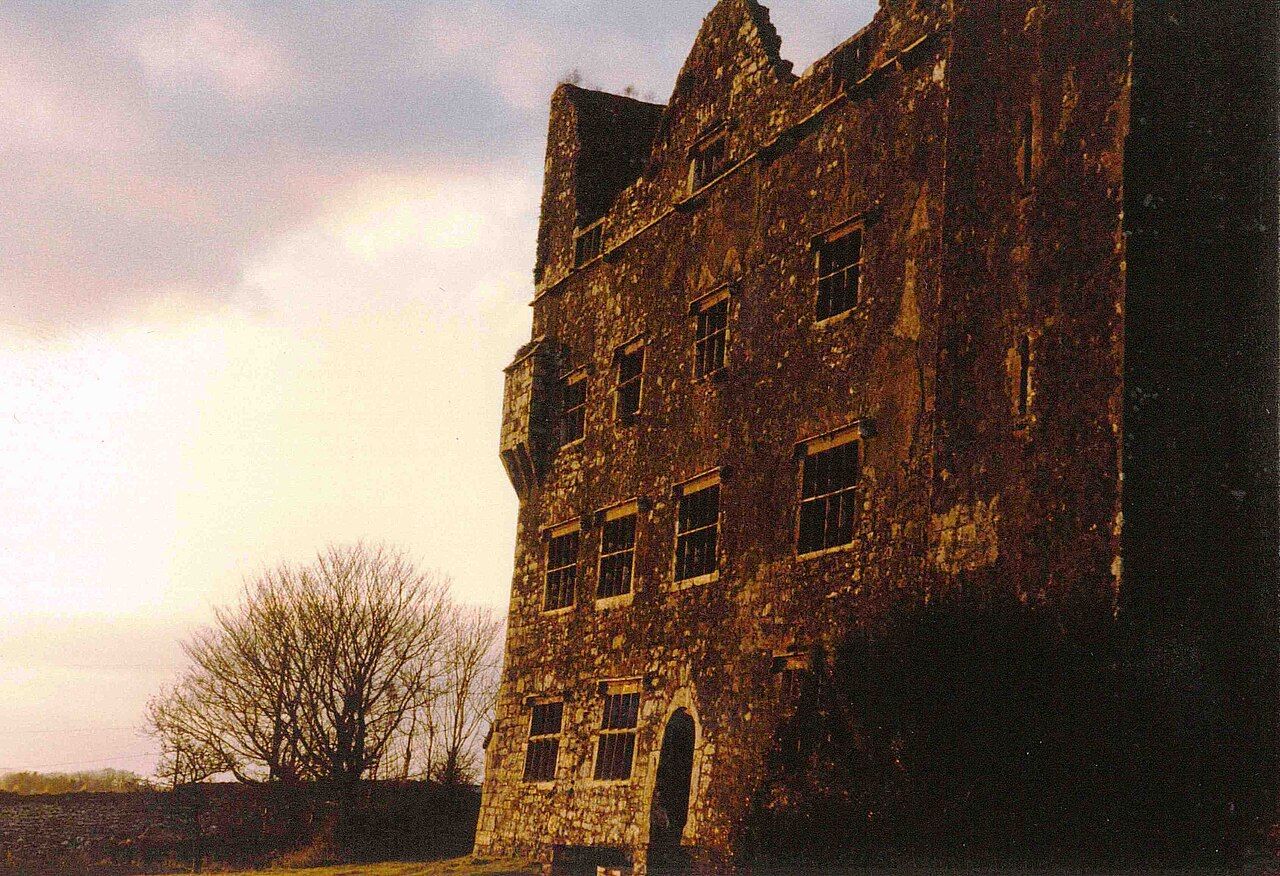
By the road between Kilfenora and Corofin, Leamaneh Castle is already a ruin, and already in view. It does not need a long approach or an elaborate introduction. The road supplies the view, and the ruin supplies the questions.
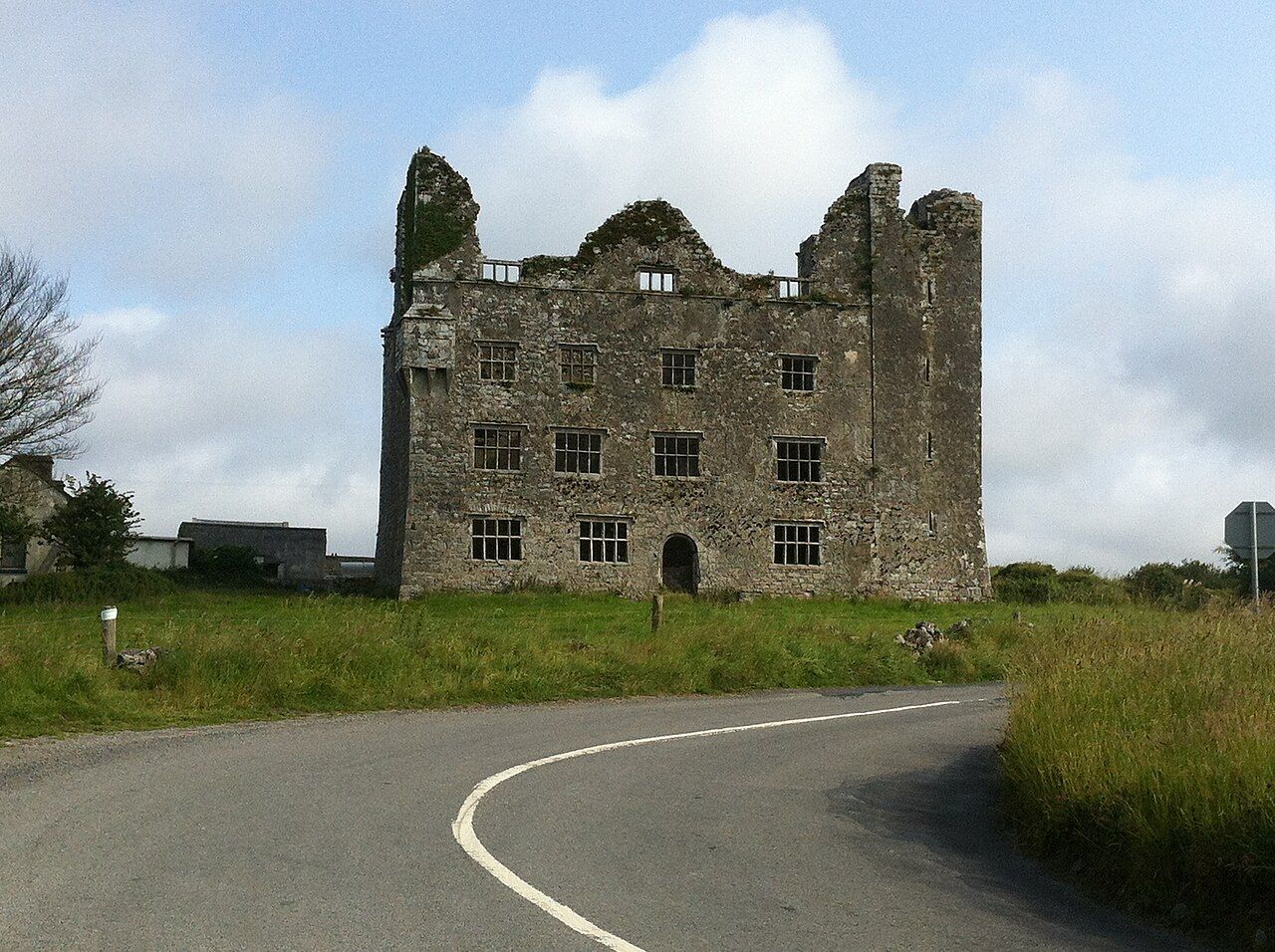
The road supplies the view, and the ruin supplies the questions.
See also Mullaghmore and the national park.
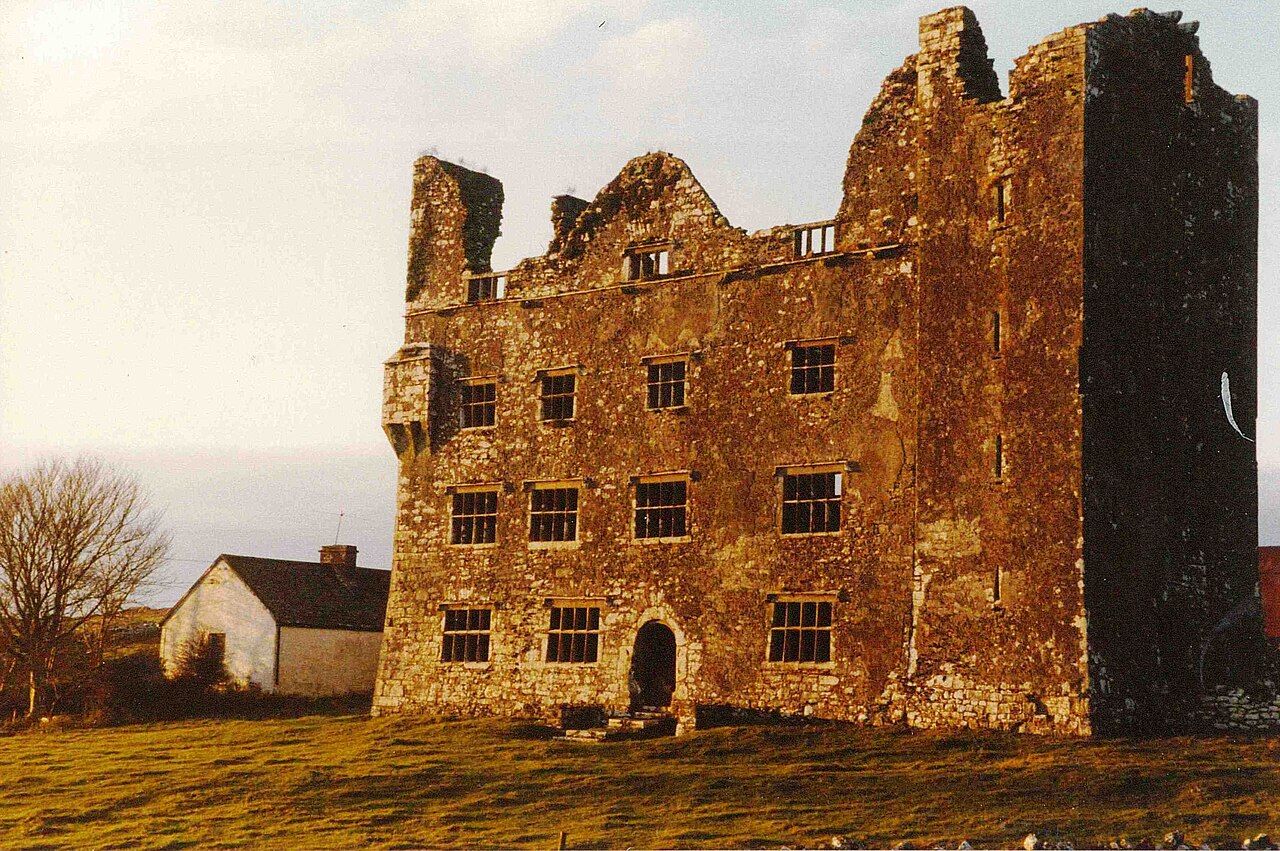
Start with the building, not the legend. Leamaneh Castle combines a fifteenth-century tower house with a seventeenth-century manor house. The two parts belong to different centuries and different forms of residence, joined now in one ruin. That combination is the clearest thing the place has to say.
The manor house had large windows. Even in a brief roadside view, those windows give the later part of the castle a different character from the tower house. Two kinds of building, one place, and a visible change in what a house could look like. The contrast rewards a second look, though nothing needs to be made mysterious about it. The tower house and manor house are both there in the same outline, and the windows mark the later part plainly.
This was the home of Conor O'Brien and his wife, Máire Rua MacMahon. Their names draw the castle out of the general category of old stone buildings and into a particular household. The place is still a ruin; the names make its history less remote without turning it into a complete story.
Máire Rua is remembered in legends of many husbands and cruelty. Much of this is folklore. That distinction matters. The stories are part of the castle's reputation, but repetition does not make every tale a settled fact. The legends are worth knowing; treating them as a reliable record is not.
After Conor died fighting Cromwellian forces in 1651, Máire Rua is said to have married a Cromwellian officer to save the lands for her son. The phrase “is said” does useful work here. It keeps the account close to what is known in the telling, rather than pretending the legend has no rough edges.
Leamaneh stands on private land and is seen from the road. That is the practical shape of this visit: a ruin to look at from the roadside, not a building to enter. It also sits in a wider account of the Burren a country of stone. Other Burren subjects include the Aille River and its swallow holes. The castle has enough husbands in its legends; the manor windows can be spared the match-making.
The numbers: between Kilfenora and Corofin; a fifteenth-century tower house; a seventeenth-century manor house.