Gentians among the rocks
In the Burren, Arctic-alpine and Mediterranean plants grow side by side. The deep-blue spring gentian gives this meeting of climates a clear focal point.
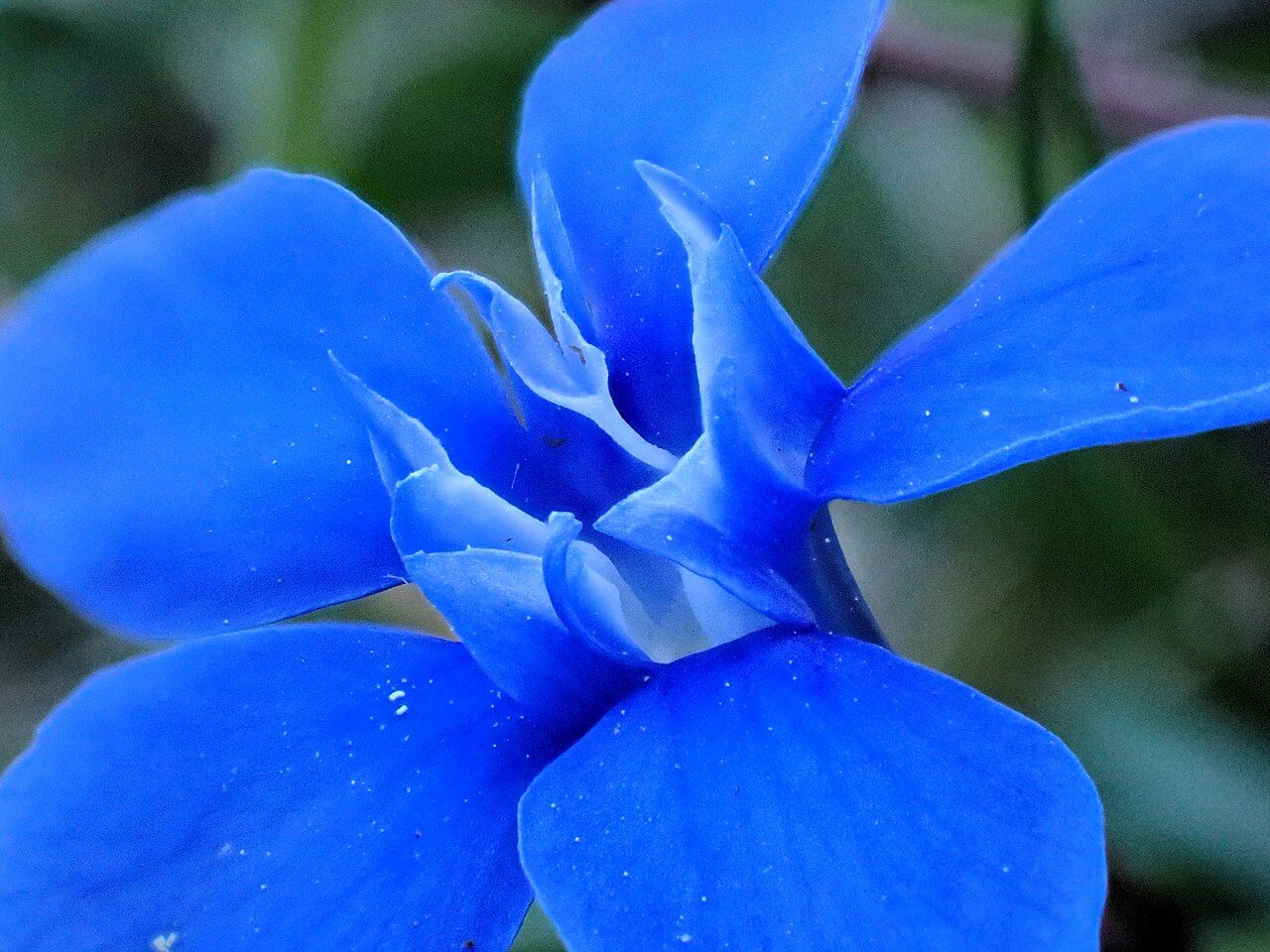
A deep-blue gentian among the rocks: a small flower, and a large hint about the Burren. Here, plants associated with very different climates grow side by side. The stone pavement is not just a bare surface. Its cracks shelter some of the less obvious life, while the flowers make the contrasts easy to notice.
The first surprise is the company the plants keep. Arctic-alpine species such as mountain avens grow beside Mediterranean plants such as the dense-flowered orchid. The names suggest distant climates, but in the Burren they belong to the same patchwork. The Burren makes a quiet argument against tidy labels. The plants do not seem to have read them.
The spring gentian brings the colour into focus. Deep blue, and flowering in April and May. The contrast around it does that work. Its clear colour sits among rocks and other plants, a small, direct reminder that the Burren's variety is not merely a matter of species lists.
The number of flowering plants is striking without needing decoration: about 70 percent of Ireland's native flowering plant species are found in the Burren. That is a large share for one place, and it changes the way the pavement reads. The ground is no longer just ground. Each plant becomes part of a wider company, with different origins and forms growing close together.
More than 20 kinds of orchid grow here. The dense-flowered orchid is one of the Mediterranean plants in this mix. The name is useful, but the point is the living plant, not a tally. Attention can move from one flower to another, then back to the stone that holds them. Even a name such as Leamaneh and Máire Rua can pull the mind towards stone and story; here, the plant life holds the foreground.
The pavement has its own shelter. Grikes, the cracks in it, protect ferns and woodland plants from wind and grazing. They make the landscape feel less uniform: open stone above, sheltered growth in the seams. The thought may wander to Dún Aonghasa, but the Burren's lesson is close at hand, in these small differences of exposure and shelter.
See also Mullaghmore and the national park.
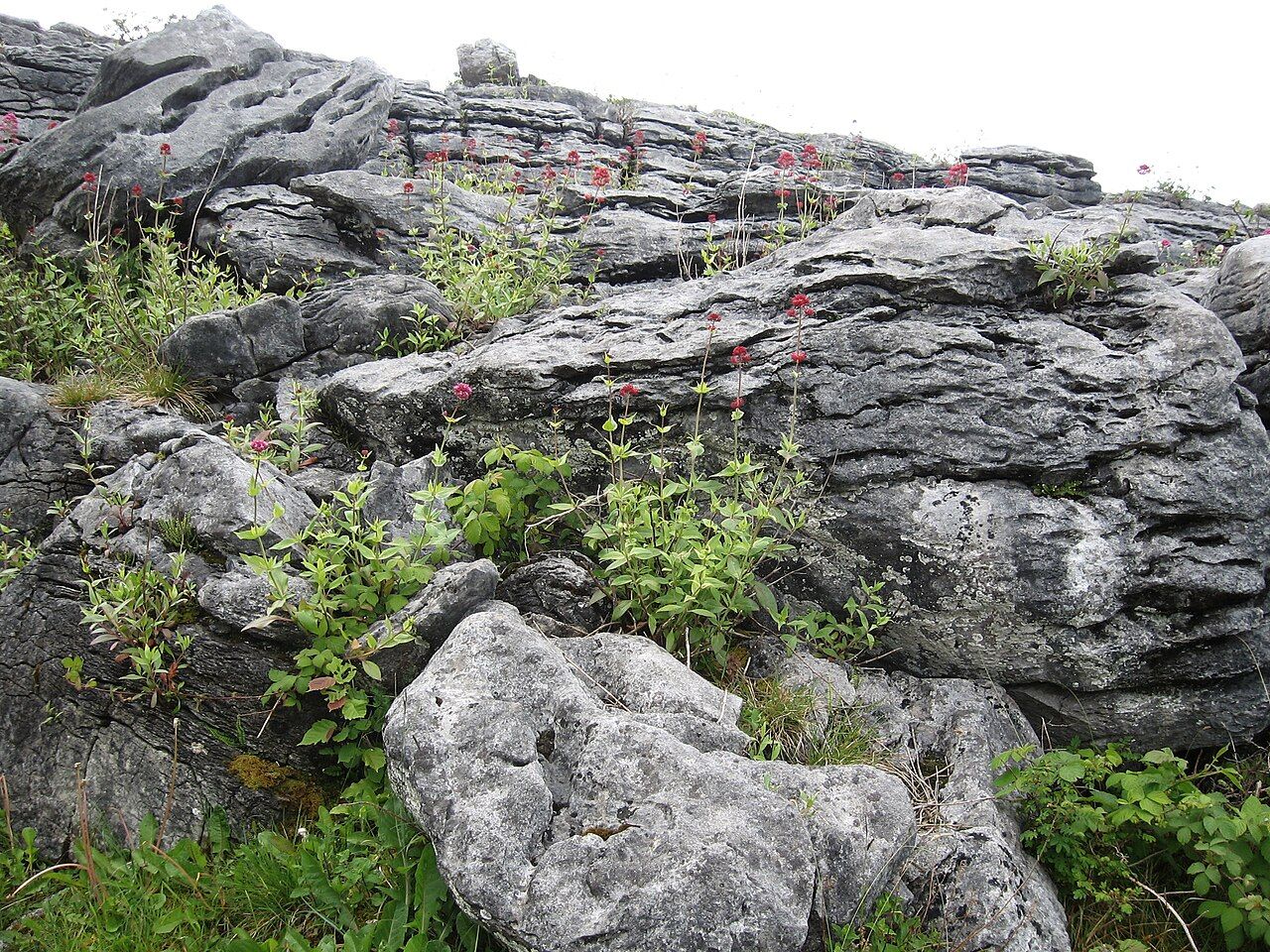
The flowers are not a separate attraction set against the rocks. The rocks are part of the explanation. Arctic-alpine and Mediterranean plants, orchids and ferns: the Burren keeps unlike things close, and the gentian makes a particularly good marker for that fact.
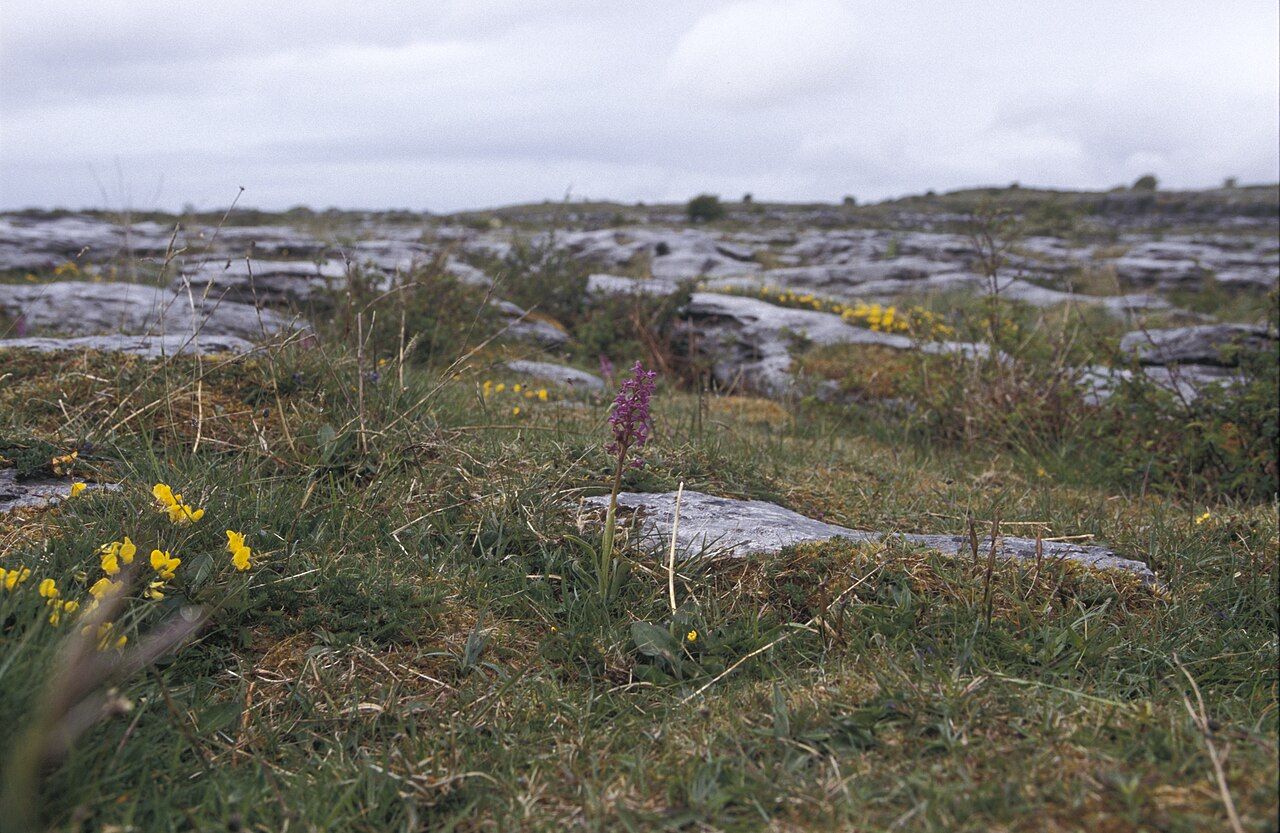
The Burren makes a quiet argument against tidy labels.
The numbers: about 70 percent of Ireland's native flowering plant species are found in the Burren; more than 20 kinds of orchid grow there; the spring gentian flowers in April and May. Even the gentian has to share the pavement.