Winterage: Cattle on the Burren Hills in Winter
In the Burren, cattle go uphill for winter. Winterage turns the usual farming calendar around, with limestone, grass and spring flowers all part of the arrangement.
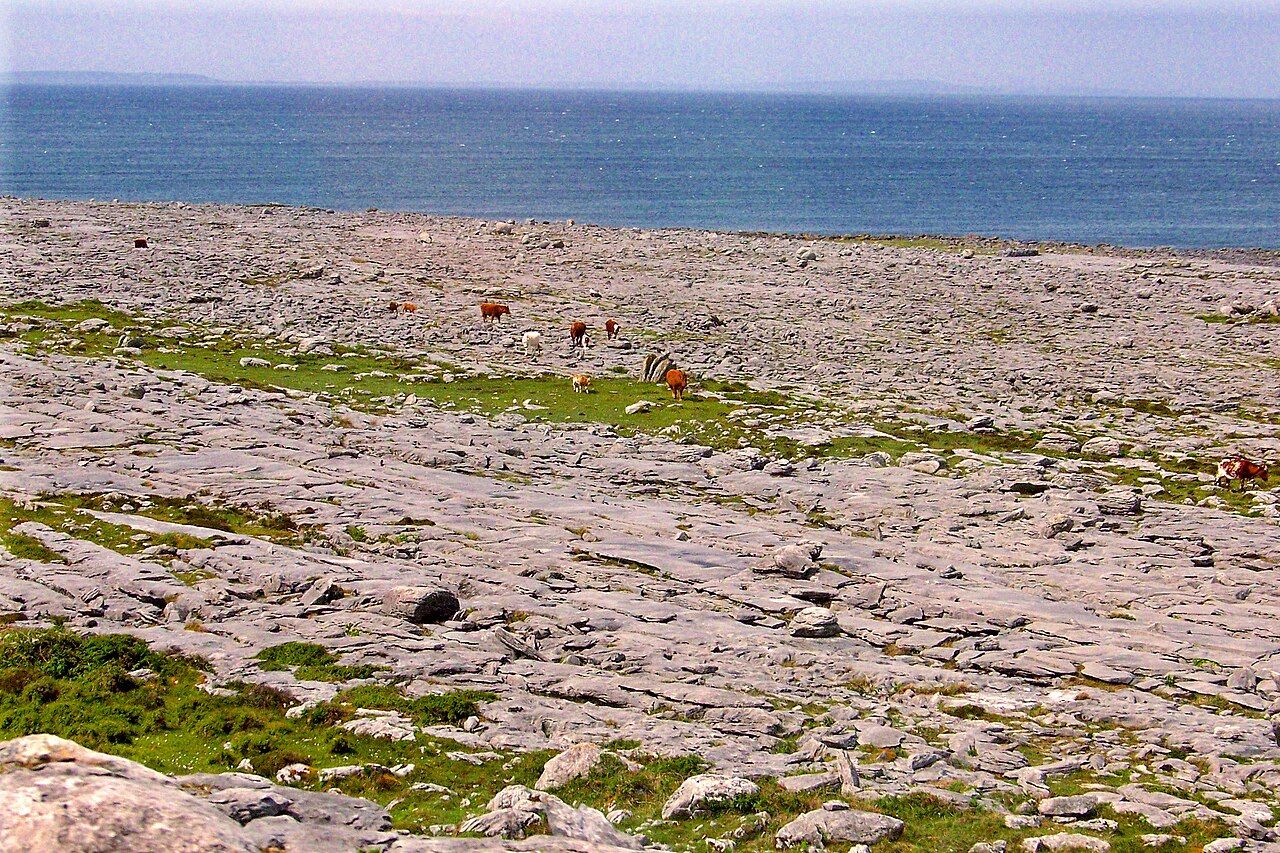
In the Burren, winter begins with cattle going uphill. The usual hill-country arrangement is reversed: cattle graze the uplands in summer in most places, but here they are moved to the limestone hills in late autumn and kept there through winter. That is winterage, a plain name for an upside-down farming year.
The Burren turns the usual hill-country calendar upside down. In most hill country, summer is when cattle graze the uplands. Here the move comes in late autumn, and the cattle remain on the hills through winter. The change is not a small adjustment to the season. It is the whole point of the system, and the landscape’s limestone uplands are where the winter grazing happens.
The limestone holds the warmth of summer. Grass grows in the grikes and on the hills through the mild winter, which makes the uplands useful at a time when a visitor might expect the cattle to be elsewhere. The detail is easy to miss if winter is treated as a pause in the farming year. In the Burren, it has its own grazing season.
That is winterage: cattle moved uphill in late autumn and kept there through winter. The word names both the practice and the season it makes. Nothing about it needs dressing up. Cattle, limestone, grass, winter. A farming calendar arranged for the conditions of this place, rather than the pattern familiar from most hill country.
The grazing has a further effect. It keeps the hazel scrub down, leaving room for flowers to grow in spring. The flowers are part of the reason the winter movement matters beyond the cattle themselves. Gentians among the rocks belong to that spring story: growth made possible, in part, by the work of winter grazing.
Winterage makes the seasons feel connected rather than separate. Cattle graze the uplands through the mild winter; the grazing keeps hazel scrub down; flowers grow in spring. It is a simple chain, but a useful one for understanding why the Burren’s farming year runs in the opposite direction from the more familiar pattern.
The Burren Winterage Festival in late October marks the cattle being driven to the hills. It puts the seasonal change in view: the move uphill, the start of winter grazing, and the beginning of winterage. The festival belongs to the same practical calendar as the cattle, not to some separate show laid over the landscape.
See also Poulnabrone, a tomb on the pavement.
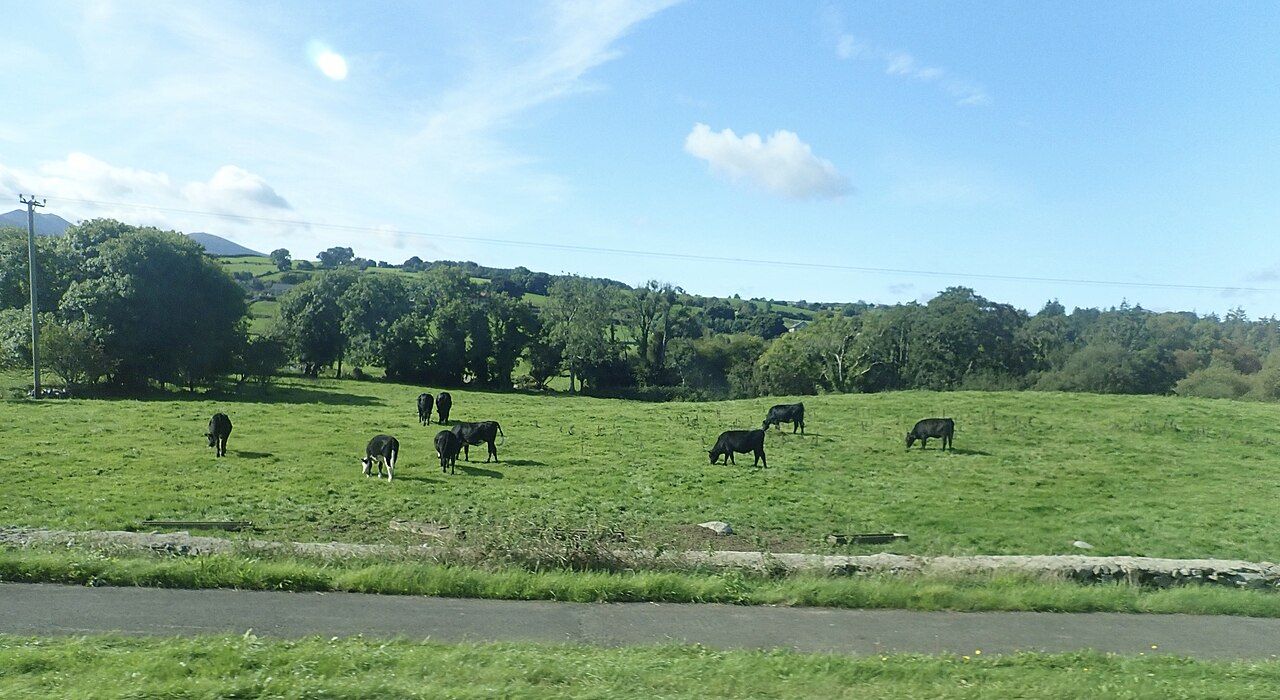
Winterage is worth remembering when the Burren’s hills are thought of as empty in winter. Cattle are there, grass grows there, and the grazing helps shape what grows in spring. The arrangement has its own logic, even if it makes the ordinary farming calendar look a bit muddled.
The Burren turns the usual hill-country calendar upside down.
The numbers: late October for the festival; winter for the grazing; spring for the flowers. The cattle have plainly been handed the calendar upside down.