The Clare concertina: why it belongs to the place
A small, loud squeezebox, a Kilrush player, and a West Clare style: the concertina makes a plain case for Clare’s place in Irish music.
Why does County Clare sit so firmly with the concertina? The answer begins not with a grand claim about music, but with a small instrument and the way its facts fit the place.
County Clare is the heartland of the concertina in Irish music. That is a firm starting point, and a better one than trying to make the instrument stand for every part of the county. For a visitor, heartland is a useful word because it sets the music within a place, rather than leaving it as a sound detached from where it belongs. The concertina is not a small extra in this account. It is the central subject.
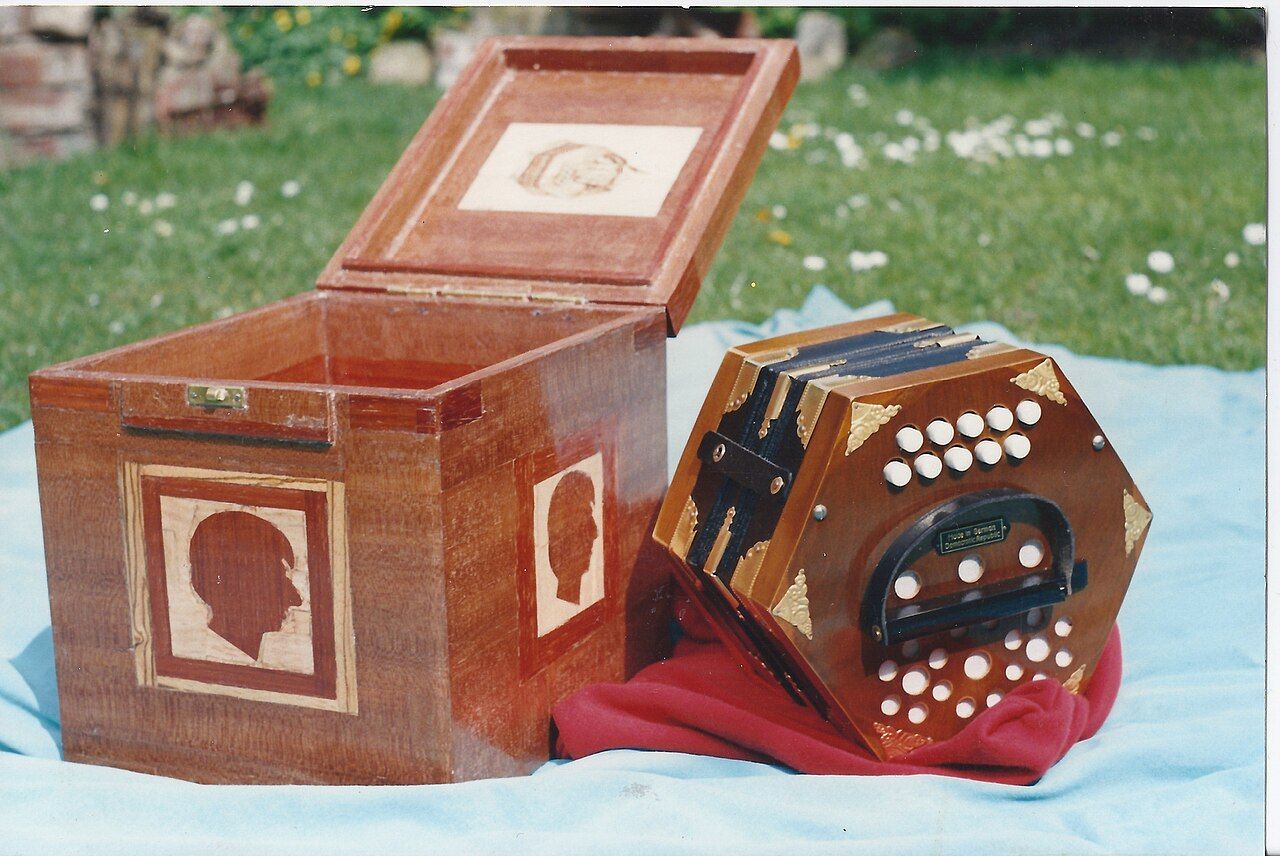
The Anglo concertina came to Ireland in the nineteenth century. It is a small hexagonal squeezebox, a description that does plenty of work without dressing it up. Small is not a claim about importance; hexagonal gives the eye something exact to hold; squeezebox says plainly what sort of instrument is being discussed. The name matters too: Anglo concertina. In a story about Clare, that arrival gives the instrument a history without making the history the whole story.
The instrument was cheap and loud enough for house dances. Those two facts explain a lot of its practical appeal. Cheap is plain and useful; loud enough is a measure given in relation to a real social purpose, not a grand claim about performance. House dances place the concertina among ordinary rooms and shared occasions. The details already make a clear case for why it could find a place in everyday music.
Elizabeth Crotty of Kilrush was one of the most famous Clare concertina players. Her name gives the story a person and a place, without needing an invented biography to make either memorable. The phrase one of the most famous is enough to set her importance, and Kilrush keeps the connection exact. This is a good point to resist adding extra detail for colour. The fact stands on its own; the instrument’s place in Clare does not need a made-up anecdote.
West Clare has its own style of playing. That distinction is the strongest reason not to treat the concertina as a single, generic sound. The phrase points back to place, and makes the instrument part of how Clare is heard in Irish music. A visitor may have the tin whistle in the same set of notes, but this story keeps its attention on the squeezebox. The name Fanore beach sends the mind towards the coast, while this account stays with Clare’s music. A bus window is a decent place to let the idea sit: one county, a named style, and an instrument that fits the account.
See also Willie Clancy Week in Miltown Malbay.
The numbers: nineteenth-century arrival; small hexagonal form; cheap and loud enough for house dances.