May in north Clare: flowers, birds and long days
Late spring gives the Burren its peak flowering, brings bird calls across the pavement and leaves room for long days before the summer crowds arrive.
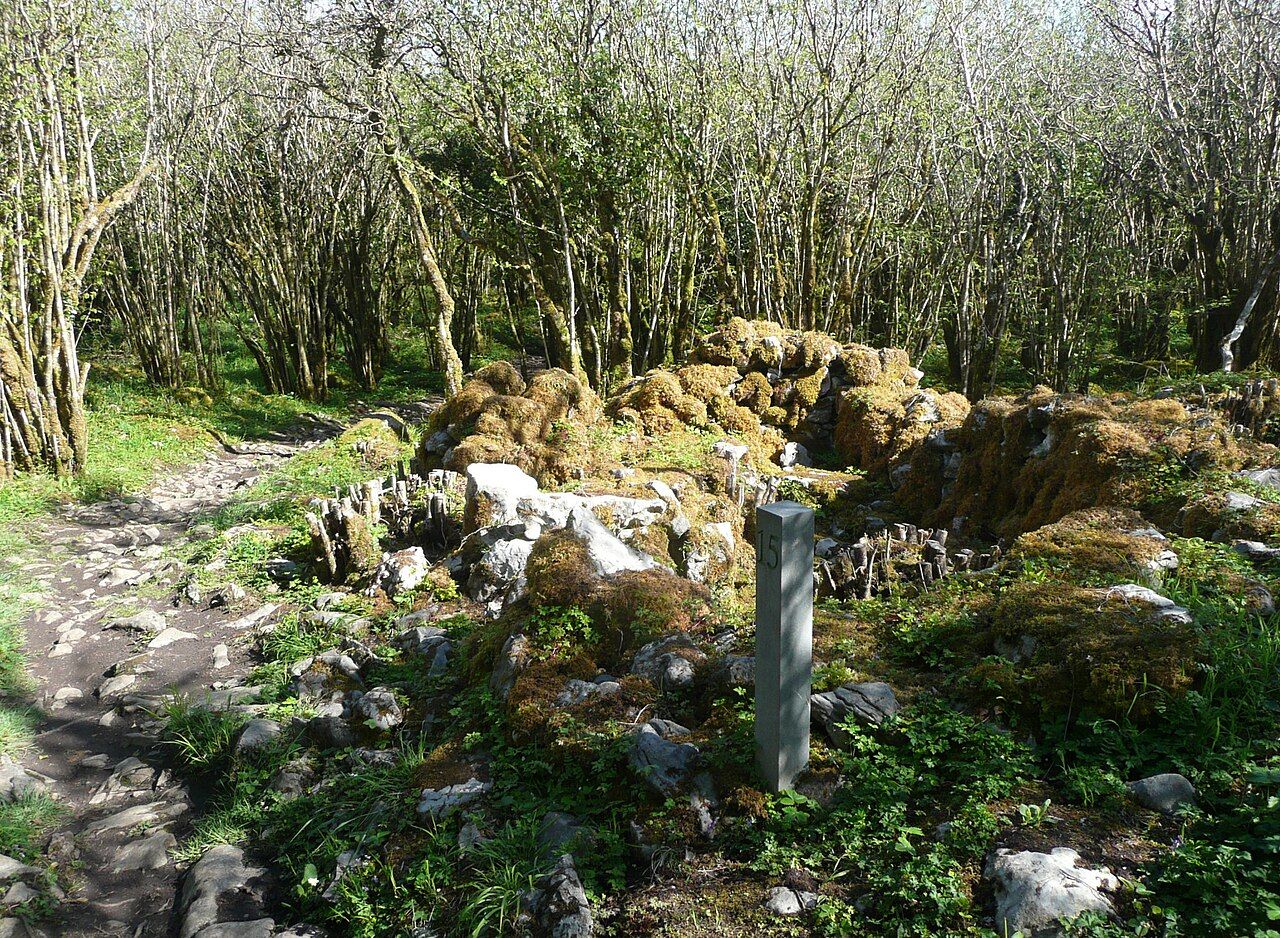
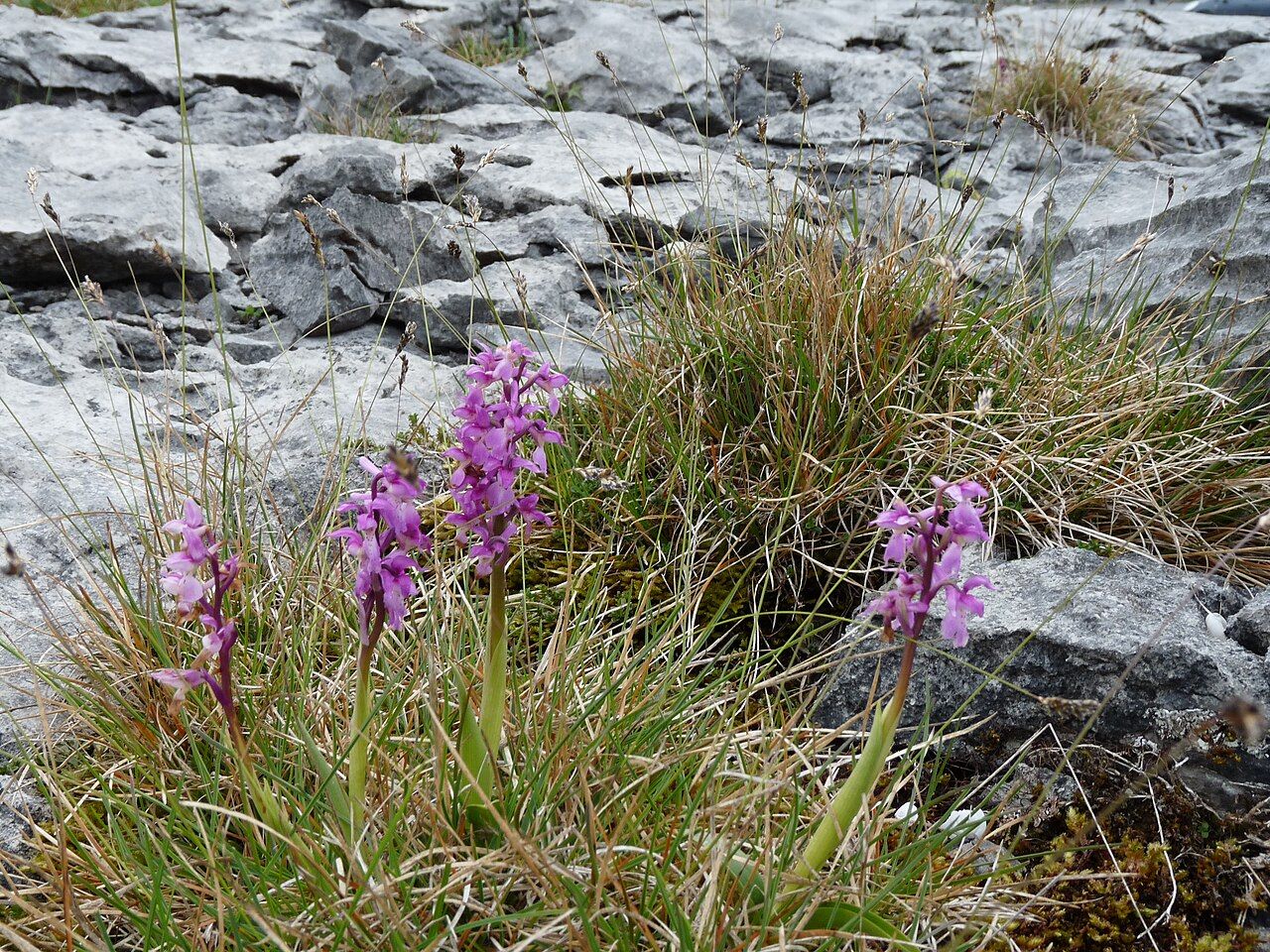
What changes when late spring takes hold in north Clare? In the Burren, May is the peak flowering time. Gentians, orchids and mountain avens bloom on the pavement, with each flower part of the place rather than an ornament added to it. The season’s point is simpler: the Burren is in flower, and the pavement is where that fact appears.
May is not merely a month for looking at flowers; it is when the Burren puts its most particular detail on the pavement. The names are worth keeping close: gentians, orchids, mountain avens. The list is short, and the flowers do not need a grand introduction. Their timing is the story. Peak flowering gives May a clear character, a season with a beginning and an end held in the same month, rather than a vague stretch of spring. That is enough to give the month its shape: a small set of names, all tied to the pavement and to the same peak flowering time. The season is not made more useful by stretching it into a general promise about spring. May has the specific distinction, and the flowers supply it.
May is not merely a month for looking at flowers; it is when the Burren puts its most particular detail on the pavement.
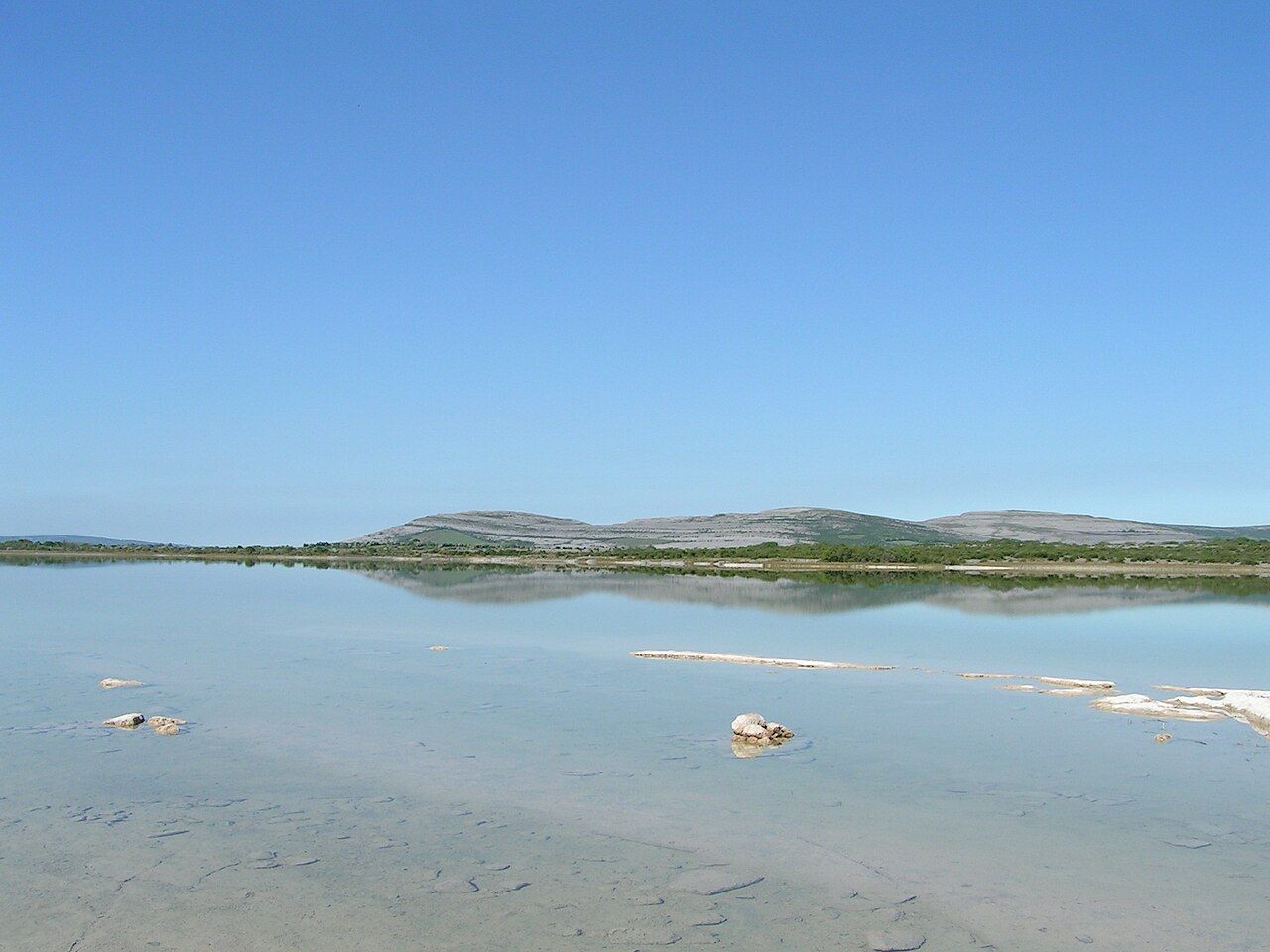
The Burren in Bloom festival is held in May, with walks and talks. It belongs naturally to a month when flowers are already the main event. Walks and talks offer two ways of staying with the subject: moving through it, or giving it a little more attention. No more needs to be made of the programme. The useful thing is that the festival shares the month with the flowering, instead of asking the flowers to wait for another occasion.
See also Lahinch and the surf: where beach, wall and river meet.
The birds bring a different measure of spring. Cuckoos call across the Burren in late April and May. That sound belongs to the wider landscape, not to a single flower or a marked point on the pavement. It makes late spring audible. May, then, has two kinds of presence: the small, close attention of flowers and a call travelling across the Burren. Neither has to compete with the other.
At the Cliffs of Moher, puffins and other seabirds are on the cliffs from April. They arrive in the season before the full flowering reaches its May peak, so spring has more than one calendar. That is a useful distinction. A visit centred on flowers has May at its heart; birds on the cliffs are part of the scene from April. The place does not need to offer every reason at once. Its seasons overlap without becoming identical.
Days are long, and the summer crowds have not arrived. Those two facts give May its own pace. Long days leave room for the place to unfold without turning the month into a race through a list. And before summer’s crowds, there is a little more space in the season’s shape. The appeal is not that May is empty, or that the place is waiting to be discovered. It is simply a period with its own balance: flowers at their peak, birds present, and daylight in generous supply.
Ferries to the Aran Islands start their full timetables in spring. That makes the islands part of the wider late-spring picture, alongside the Burren and the cliffs. The details here point in different directions without needing to be forced into one itinerary: flowers on the pavement, calls across the Burren, seabirds at the Cliffs of Moher, and ferries beginning full timetables. Spring connects them by season, not by any claim that they are the same sort of experience.
May works best as a month of attention rather than a grand summary. The Burren’s flowers are at their peak; the festival brings walks and talks; cuckoos call across the landscape in late April and May. The long days and the absence of summer crowds give these details room to register. April matters too, for the seabirds on the cliffs. Late spring is not one single event, then, but several clear ones arriving on their own time. The calendar has done the hard work.
The numbers: April for seabirds; May for flowers, cuckoos and the festival. The calendar has done the hard work, so the clock can take the day off.