Inis Meáin and Synge’s Chair
The quiet middle island is the least visited of the three, with J. M. Synge’s summers, writing and stone shelter shaping a way to read the place.
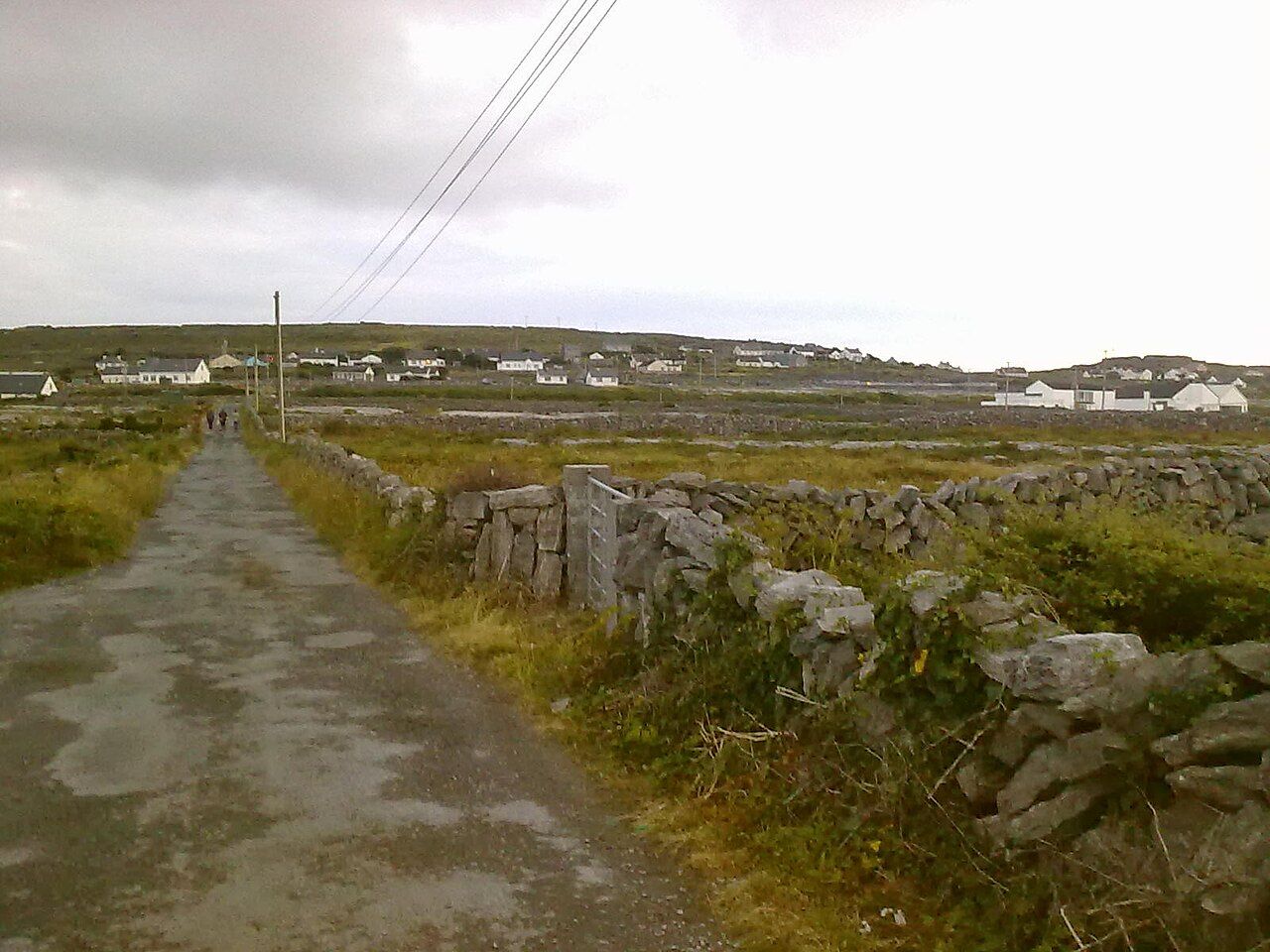
What makes a place stay in the mind: its position, its stones, or the story told about it? Inis Meáin, the middle island and the least visited of the three, offers all three without needing to be made into a grand mystery. Its quiet is part of the appeal. So is the way a playwright’s name remains attached to a chair and to a book about island life.
Inis Meáin sits in the middle of the three islands, and is the least visited. That simple description gives the island its particular place in the story: neither the first nor the last, and not the one that receives the most visitors. The middle is a useful place from which to think about the islands together. Inis Meáin does not need to stand for all of them. It has its own name, its own stones, and its own connection with Synge.
J. M. Synge spent several summers on the island between 1898 and 1902. The dates make a small, clear span in the island’s story. They are enough to say that Synge returned through several summers, without turning that fact into a larger claim about what he saw or felt. His presence is part of how the place is remembered now. The connection is direct: a playwright stayed on Inis Meáin, and the island entered his work.
His book The Aran Islands, published in 1907, describes island life. The title gathers the islands into a single subject, while the book keeps Inis Meáin connected to the particular stretch of time Synge spent there. It is a written account, not a reason to assume that every part of island life can be reduced to a page. The useful fact is plainer: Synge wrote about the islands, and the book remains part of the way their story is told.
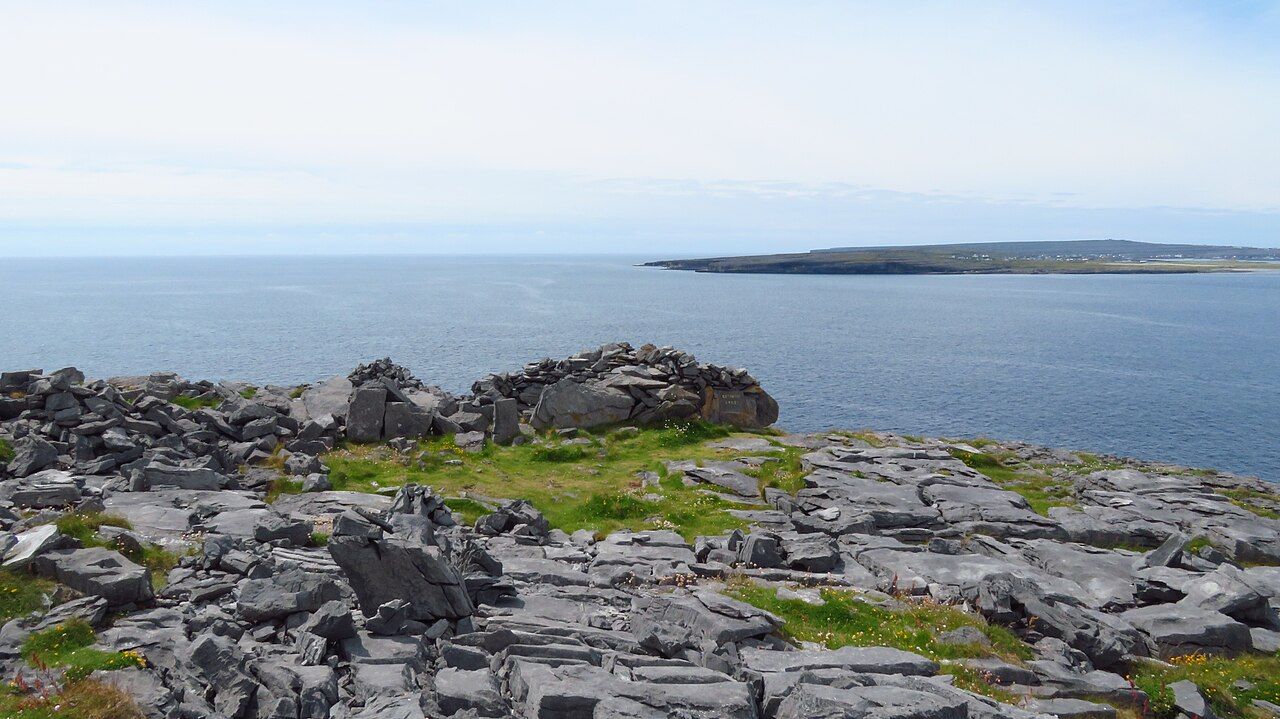
Synge’s Chair is a stone shelter on the west cliffs where he is said to have sat. The careful wording matters. A chair is an inviting name for a place in a story, but the fact is a shelter of stone, and the sitting belongs to what is said about it. That leaves room for both the physical place and its association with Synge. The chair is not a proof of a life; it is a place held by a story.
See also The Aran Sweater and Its Stitches.
A place can become known through the story attached to it.
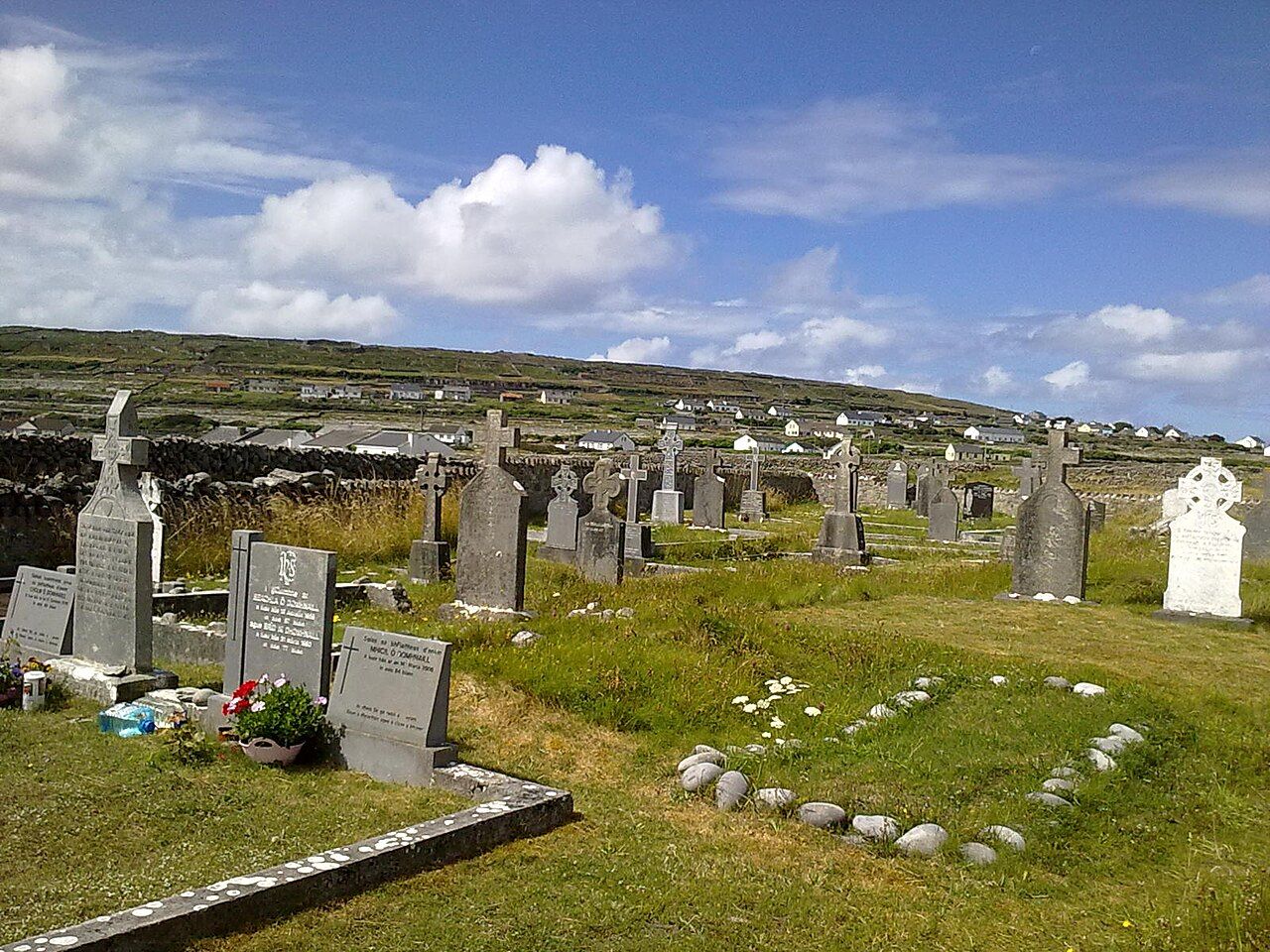
A place can become known through the story attached to it.
Dún Chonchúir is a large oval stone fort in the middle of the island. Its position gives another meaning to the island’s middle: not only a place between the other islands, but also a fort set in the middle of Inis Meáin itself. The shape and scale are enough to hold attention, and the name belongs beside Synge’s Chair in any account of the island.
The numbers: 1898–1902; 1907.