Turloughs: The Lakes That Come and Go
The Burren’s limestone lakes fill and drain with groundwater; in summer, their dry beds are grazed as pasture.
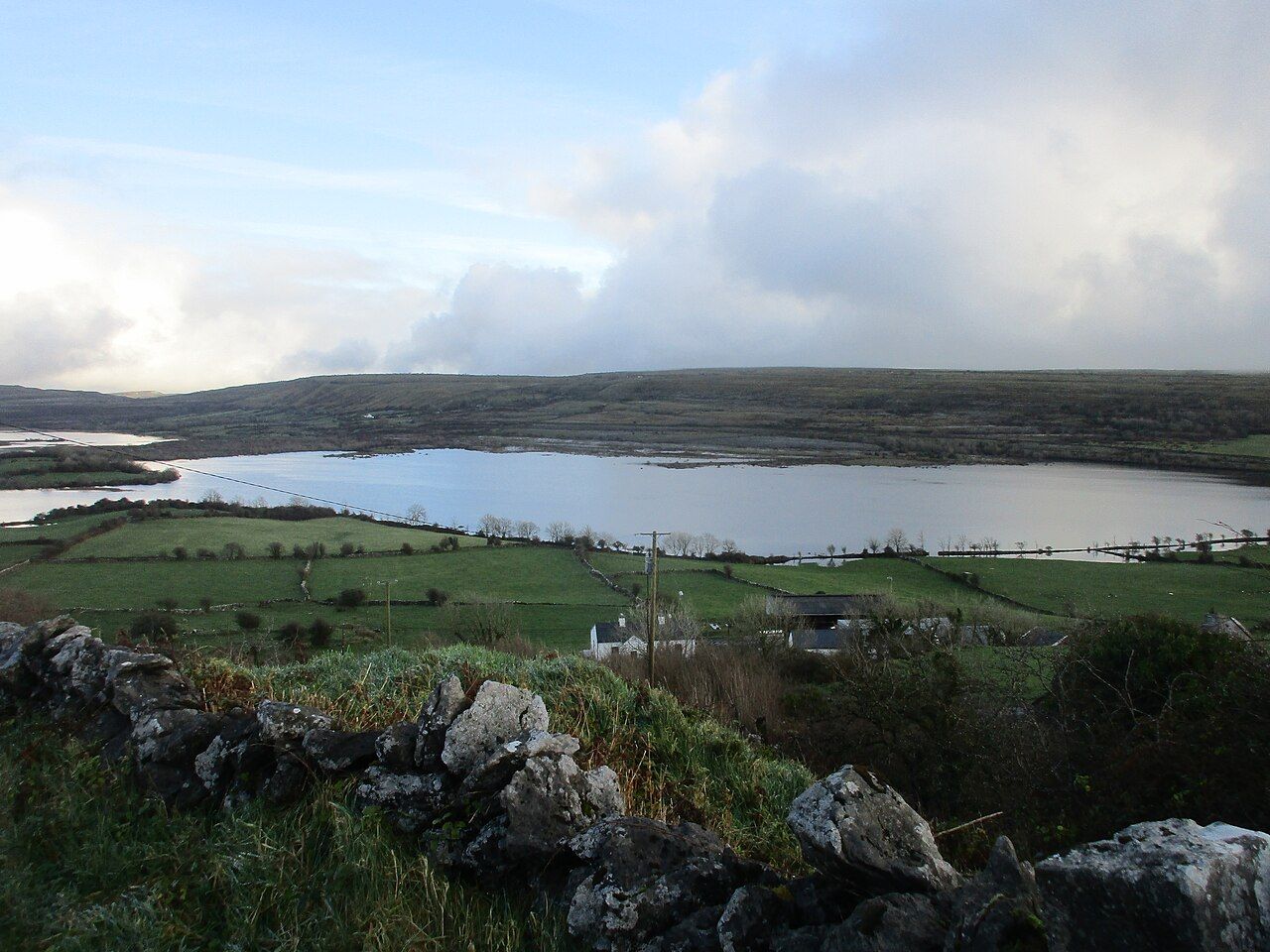
What sort of lake can disappear without being gone? A turlough is a seasonal lake found in limestone country. Its change is not a trick of distance or a matter of looking from the wrong place. The lake fills, then drains away. In the Burren, that simple cycle gives the landscape a changeable feature with a very particular calendar.
A lake with seasons. Turloughs fill in autumn and winter, when groundwater rises. In spring and summer, the water drains away. The name belongs to a lake that is present for part of the year and absent for another part. That is the plain explanation, and it is more useful than making the change sound mysterious. The turlough is not a permanent sheet of water. Its season is part of what it is.
Groundwater does the work. The filling begins when groundwater rises. The water then rises and falls through holes in the floor, called swallow holes. The term sounds like a bit of local shorthand, but it describes the feature that makes the seasonal movement possible. A turlough is not simply a lake that has run out. Its water has a way in and a way out, linked to the rising and falling groundwater.
The floor matters. In a turlough, the lake bed is not just scenery beneath the water. The holes in that floor are part of the story. They give the water a route as it rises and falls, while the broader seasonal pattern brings the lake and its dry phase in turn. For visitors, this is the detail worth keeping: the empty-looking bed belongs to the same lake as the winter water. The place changes; the name still fits.
Dry does not mean useless. In summer, the dry turlough bed is grazed as pasture. That is a practical change in the land’s use, not an afterthought to the lake. The wet season and the dry season belong to one cycle, and the bed has a place in both. A summer turlough is not a failed winter lake. It is pasture, until the groundwater rises again and the water returns.
The Burren is part of a wider story. Turloughs are found mainly in the west of Ireland and are rare elsewhere in the world. Several lie in the Burren National Park area. That makes the Burren a place to understand the seasonal lake, not a place where every patch of water should be given the name. The useful signs are the limestone setting and the cycle of filling and draining.
See also Fossils in the pavement.
The numbers: autumn and winter bring the water; spring and summer take it away. A lake with a seasonal timetable, and apparently no interest in staying late.